

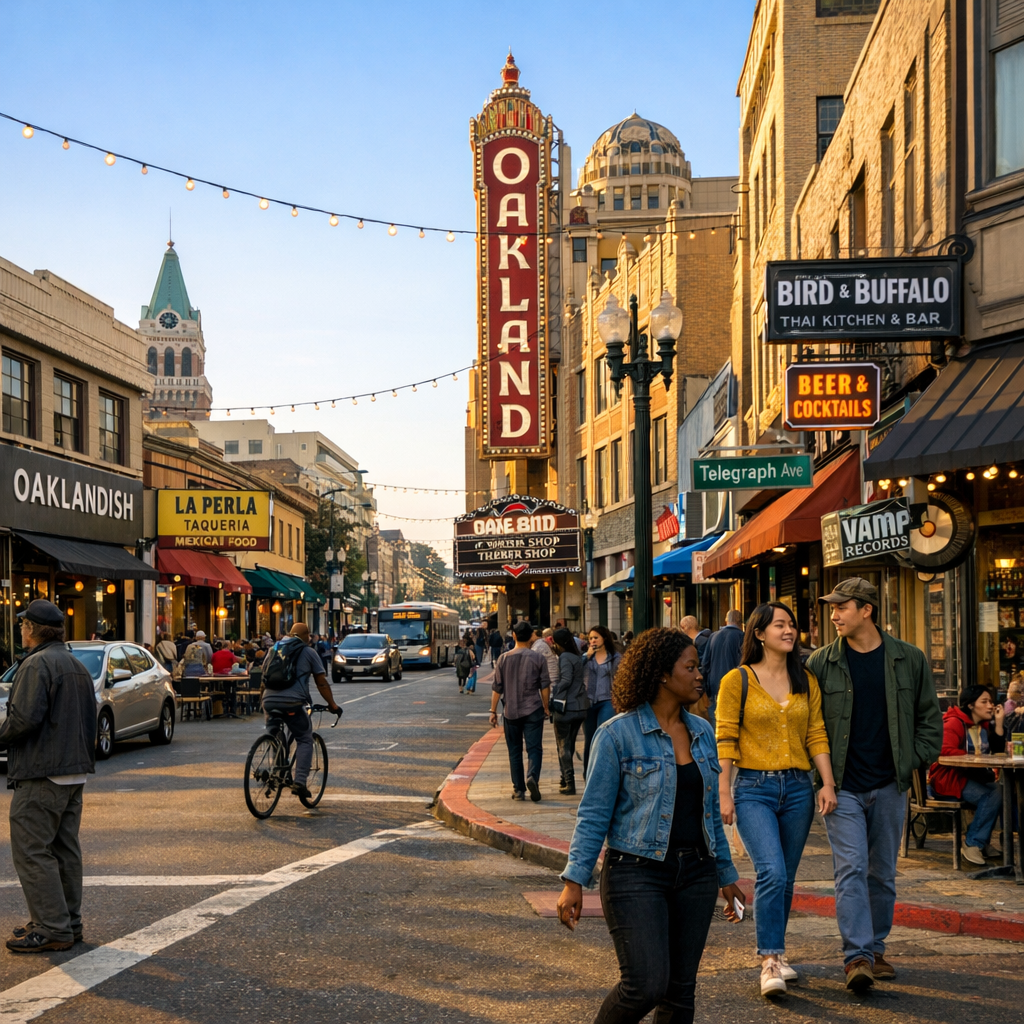
Oakland’s economic landscape is undergoing significant transformation, marked by both promising growth and notable challenges. The city’s commitment to fostering inclusive development is evident in various initiatives and sectoral shifts.
Strategic Economic Development
In February 2026, the City of Oakland unveiled the 2025–2029 Economic Development Action Plan (EDAP), a comprehensive five-year roadmap aimed at stabilizing the economy and promoting inclusive growth across all neighborhoods. The plan emphasizes:
- Attracting and Growing Key Sectors: Focusing on high-growth industries such as healthcare, transportation and logistics, technology, and creative sectors.
- Sustaining and Supporting Businesses: Providing resources to help local businesses, especially small, minority-owned, and women-owned enterprises, thrive.
- Building Oakland’s Workforce: Developing adaptable pathways connecting residents to well-paying jobs and reducing unemployment disparities.
- Investing in Places: Facilitating investment in key business corridors and under-resourced neighborhoods to enhance community well-being.
- Supporting Artistic, Cultural, and Social Activities: Investing in artists and cultural institutions to drive economic vibrancy and reinforce Oakland’s unique identity.
Healthcare: A Pillar of Economic Growth
The healthcare sector has emerged as a significant economic driver in Oakland. Major investments include:
- Samuel Merritt University’s City Center Campus: Opened in January 2026, this $240 million facility brings approximately 2,000 students and 500 faculty and staff to downtown daily.
- UCSF Benioff Children’s Hospital Oakland: Undergoing a $1.6 billion modernization project, expected to be completed by 2031.
- Stanford Medicine and Sutter Health Cancer Center: A $400 million facility in the Pill Hill neighborhood, slated for completion later this year.
These developments not only enhance healthcare services but also create new career pathways for local residents through workforce training programs and internships.
Tourism’s Resurgence
Oakland’s tourism sector has shown remarkable resilience. In 2025, the city welcomed 3.2 million visitors, contributing $740 million to the local economy and supporting over 5,200 jobs. This resurgence underscores the city’s cultural appeal and the effectiveness of initiatives aimed at revitalizing the tourism industry.
Challenges in the Office Market
Despite positive trends, Oakland faces challenges in its office market. As of the second quarter of 2026, the overall office vacancy rate stood at 27.4%, reflecting the impact of remote work and shifting business dynamics. This has led to reduced foot traffic in downtown areas, affecting local businesses that rely on office workers.
Community Initiatives Supporting Small Businesses
Community-driven efforts play a crucial role in supporting Oakland’s small businesses. For instance, the Loyal to the Soil Collective, founded by Michelle Walton and Wesley Dawan, aims to help local businesses thrive by encouraging residents to keep their dollars within the community. Their initiatives include operating an online bookstore and planning a brick-and-mortar space to serve as a community hub.
Similarly, Hella Nuts, a vegan restaurant founded by mother-daughter duo Kami and Mieko Scott, exemplifies resilience and innovation. Despite challenges posed by the COVID-19 pandemic, they have successfully provided plant-based options to the Bay Area, challenging stereotypes and promoting healthy lifestyles.
Looking Ahead
Oakland’s economic journey is characterized by a blend of growth, challenges, and community resilience. Strategic investments in key sectors, coupled with grassroots initiatives, are shaping a dynamic and inclusive economic future for the city. As Oakland continues to navigate these changes, the collective efforts of policymakers, businesses, and residents will be pivotal in fostering sustainable growth and prosperity.