

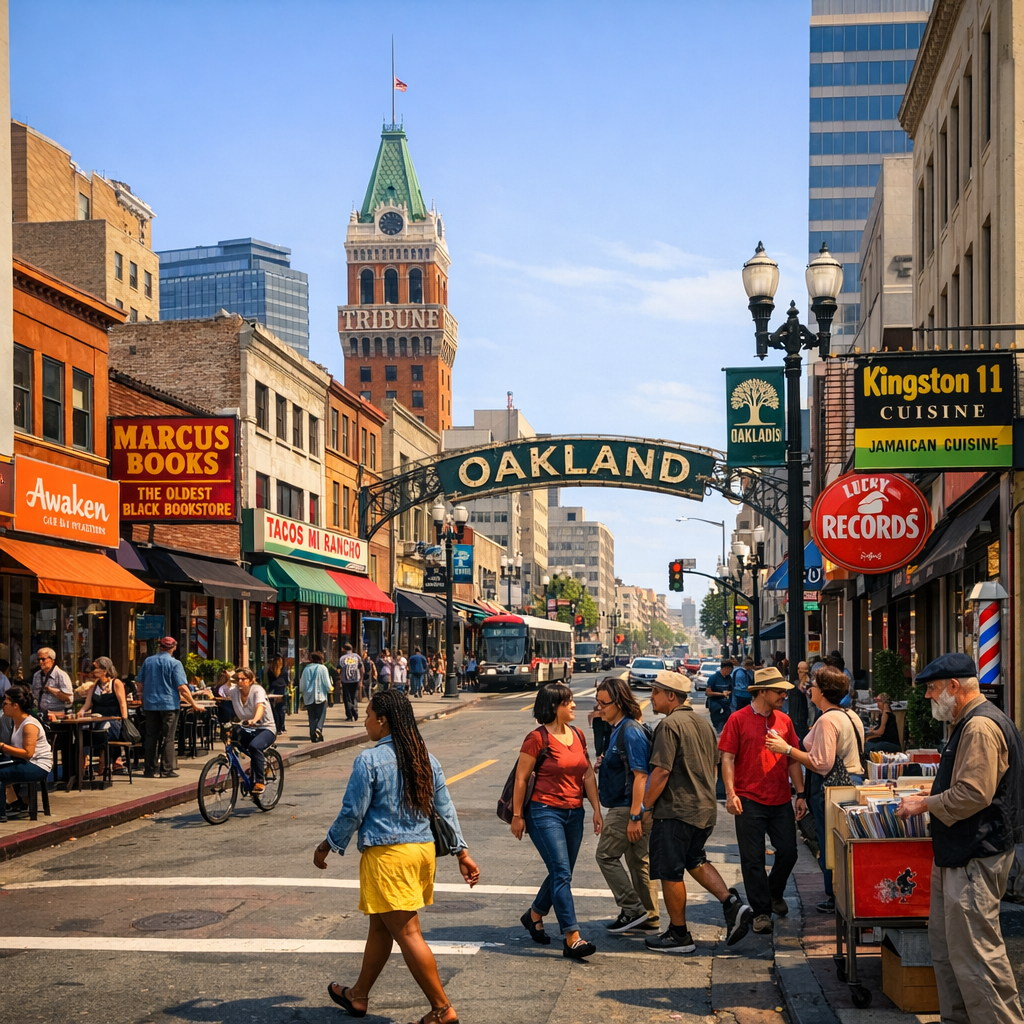
Oakland’s economic landscape is undergoing significant transformations, marked by growth in key sectors and proactive initiatives aimed at revitalization. Understanding these developments is crucial for residents and local businesses alike.
Healthcare Sector Expansion
The healthcare industry has emerged as a cornerstone of Oakland’s economy. Major investments are reshaping the city into a regional hub for medical services and research. Notable developments include:
- Samuel Merritt University’s City Center Campus: Opened in January 2026, this $240 million facility brings approximately 2,000 students and 500 faculty and staff to downtown Oakland daily.
- UCSF Benioff Children’s Hospital Oakland: Undergoing a $1.6 billion modernization project, slated for completion by 2031.
- Stanford Medicine and Sutter Health Cancer Center: A $400 million facility in the Pill Hill neighborhood, expected to open later this year.
These investments not only enhance healthcare services but also create new employment opportunities and stimulate local businesses.
Tourism’s Resurgence
Tourism has rebounded strongly, contributing significantly to the local economy. In 2025, Oakland welcomed 3.2 million visitors who spent $740 million, supporting over 5,200 jobs. Efforts to attract more visitors include:
- Expanded Air Routes: Oakland International Airport has added nonstop flights to Mexican destinations, aiming to draw more international travelers.
- Marketing Initiatives: Campaigns like “La Bahía,” in partnership with Visit Oakland and Visit Berkeley, target Mexican travelers to explore the East Bay.
These strategies aim to convert day trips into overnight stays, benefiting local hotels, restaurants, and entertainment venues.
Downtown Revitalization Efforts
Downtown Oakland faces challenges, including increased office vacancies and reduced foot traffic. In response, the city has launched initiatives to rejuvenate the area:
- Economic Activation Zones (EAZs): These pilot zones focus on entertainment programming, outdoor activities, and workforce development to boost commercial corridors.
- Tax Incentives: Proposed business license tax exemptions for new and small businesses aim to lower operational costs and attract employers.
These efforts are designed to restore downtown’s vibrancy and support local enterprises.
Looking Ahead
While Oakland’s economy shows promising growth in sectors like healthcare and tourism, challenges remain, particularly in downtown revitalization. Continued collaboration between city officials, businesses, and community members will be essential in navigating these complexities and fostering a resilient economic future.